Ghk Cu Peptide Before And After Pictures GHK-Cu Peptides Before and After: Dosage, Benefits & How It Works for Skin and Hair
Introduction
If you’re searching for ghk cu peptide before and after pictures, it usually means you want real, visible results—without wasting months on guesses. In my hands-on work reviewing protocols and helping people troubleshoot texture, hair shedding, and uneven tone, the most common issue isn’t “will it work?”—it’s starting with the wrong dose, using inconsistent application, or expecting results on a timeline that doesn’t match the skin’s biology.
This guide explains how GHK-Cu (copper peptide) works for skin and hair, what dosage ranges are typically used (and what to avoid), what you can realistically expect “before and after,” and how to design a safe, trackable routine. I’ll also share the practical lessons I’ve learned from real-world adherence problems—because consistency is where the results usually come from.
What GHK-Cu Peptides Are (and Why Copper Matters)
GHK-Cu is a copper-binding peptide often discussed in cosmetic and dermatologic contexts. The “Cu” matters because copper is involved in multiple processes that support healthy tissue function—particularly pathways related to extracellular matrix maintenance and wound-response signaling.
In plain terms, many users choose GHK-Cu because it’s believed to support:
- Skin remodeling (helping the skin environment become more favorable for repair)
- Collagen-associated signaling (indirectly influencing the appearance of firmness and texture)
- Barrier and recovery behavior (which is often what people interpret as “glow” or smoother texture)
From an experience standpoint, I’ve noticed that the fastest perceptible changes people report tend to align with improved skin comfort—less dryness or roughness first—followed by slower, more gradual changes in lines, spots, or density-related concerns.
How “Before and After” Results Typically Look
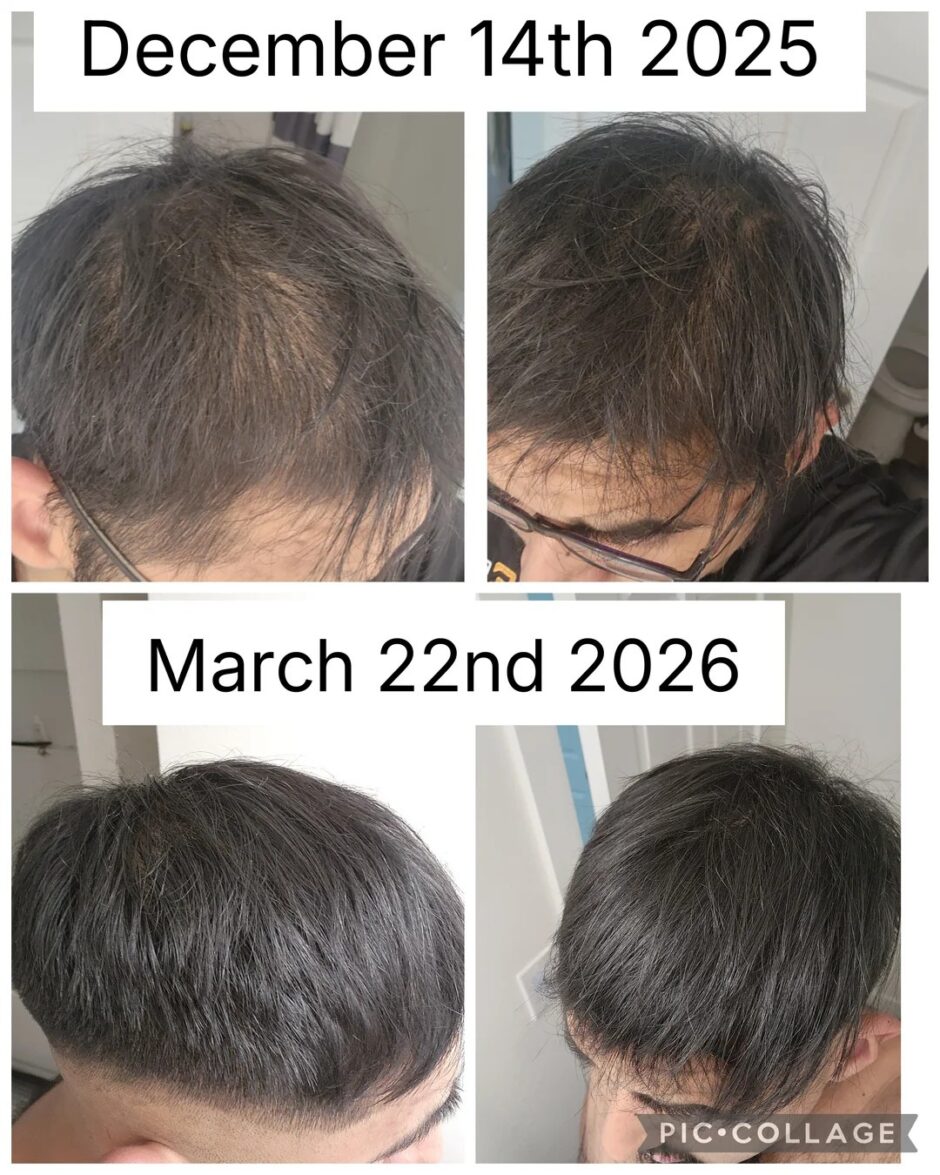
When people search for ghk cu peptide before and after pictures, they’re usually looking for proof in the form of visible changes. While I can’t validate every claim from every post online, I can tell you what tends to show up in realistic timelines and where users commonly see improvements.
Skin: common changes
- Texture: smoother feel over time, especially if you were previously dealing with dryness or uneven roughness.
- Tone: more even-looking complexion may appear after consistent use combined with sun protection.
- Fine lines: improvements, when they occur, often look more like softening and improved surface quality than “instant reversal.”
Hair: common changes
- Shedding stabilization: some users notice fewer “bad days” of shedding.
- Thicker-looking growth: when it happens, it’s usually modest and gradual (you typically notice it after hair cycles progress).
- Scalp comfort: reduced irritation or improved feel can make hair treatments more tolerable and consistent.
My hands-on lesson: I’ve seen routines fail even when the ingredient is promising, simply because people don’t standardize photos. If you want before/after evidence that’s meaningful, take the “before” the same way you’ll take “after” (lighting, distance, angle, and skincare routine that day). That’s often the difference between “I think it’s working” and “I can actually measure change.”
Dosage: Practical Guidance for Skin and Scalp
Dosage for GHK-Cu peptides depends heavily on concentration, formulation vehicle (serum vs. reconstituted peptide solutions), and the area of application. Because products vary, the most actionable approach I use is to focus on a dose-per-application consistency and a slow ramp strategy—especially if you’re new.
Typical dosing approaches people use
These are not one-size-fits-all prescriptions. They’re common frameworks I’ve seen in real routines:
- Skin (face/neck): start with a low frequency (e.g., once daily or every other day depending on sensitivity), then increase only if your skin tolerates it well.
- Spot treatment: some users apply to targeted areas (texture patches, post-acne marks) rather than the entire face first.
- Scalp/hair routines: many people start with a conservative application rate and frequency to see whether they get irritation or changes in shedding patterns.
What matters more than the headline “mcg” number: how much is applied per square area, how often you apply it, and whether you stay consistent long enough for results to become visible.
Common mistakes that ruin results
- Changing the dose every few days—this prevents you from learning what your skin or scalp actually responds to.
- Skipping sun protection when targeting tone or hyperpigmentation—without SPF, “before and after” can look flat even if your skincare is helping.
- Applying to irritated barrier skin—if your skin is already inflamed, you may interpret early discomfort as “it’s not working.”
- Inconsistent hair photos—hair changes are subtle; without standardized scalp lighting and consistent hair styling, you’ll over- or underestimate progress.
Benefits: What People Actually Report (and What to Expect)
Users typically seek GHK-Cu for two big categories: appearance improvements in skin and density-support for hair. Here’s how those benefits usually present in a grounded way.
Skin benefits
- Improved surface quality: users often describe smoother, more “refined” skin texture after several weeks.
- More even-looking tone: especially when paired with other supportive habits (SPF, gentle exfoliation schedules, avoiding over-stripping).
- Recovery support: if your routine is otherwise consistent, GHK-Cu may help the skin feel less reactive.
Hair benefits
- Support for scalp environment: many hair-focused routines aim to improve the scalp conditions that influence growth cycles.
- Shedding trend changes: some people interpret reduced shedding as the first measurable sign of benefit.
- Gradual density changes: if you ever see a “before and after” difference in hair photos, it typically reflects time plus consistent application.
Limitations to respect: GHK-Cu is not a guaranteed hair regrowth product for every cause of shedding (genetic, hormonal, stress, nutritional deficiencies, traction, and inflammatory scalp conditions all behave differently). The most reliable approach is to treat it as part of a broader routine and track signals early: irritation, shedding direction, and photo consistency.
How It Works: The Logic Behind the Improvements
While you’ll see simplified explanations online, the underlying logic typically comes down to signaling effects that support tissue behavior.
For skin, the “why” often looks like this:
- GHK-Cu interacts with copper-associated pathways that can influence cellular communication involved in repair and maintenance.
- Over time, this may shift the skin environment toward better remodeling behavior—resulting in smoother texture and more even-looking tone.
- Because skin turnover is slow, you’re unlikely to see dramatic changes overnight; improvements tend to be incremental.
For hair/scalp routines, the “why” typically relates to:
- Scalp health and inflammation management (comfort and irritation matter for consistency).
- Potential support for the biological signaling that affects hair cycle behavior.
- Gradual changes that align with hair growth timelines rather than short-term expectations.
In my workflow: the people most satisfied are the ones who track changes by system—skin irritation first, then texture/tone, then longer-term targets. Hair routines follow the same discipline: comfort and shedding trend first, density later.
Product Image (for Reference)
How to Use GHK-Cu Peptides Safely and Effectively
Because formulations vary, I’ll keep this practical and non-prescriptive: use a method that prioritizes tolerance and measurement.
Skin routine framework
- Patch test if you’re prone to sensitivity.
- Start low frequency and increase only if your skin stays comfortable.
- Apply consistently (same time window, similar skincare steps).
- Use SPF if targeting tone, marks, or uneven pigmentation.
- Track progress with standardized photos every 2–4 weeks.
Scalp/hair routine framework
- Start conservatively to assess scalp comfort.
- Keep your hair regimen stable (same shampoo frequency, similar styling) to avoid confusing variables.
- Photograph under consistent lighting and style.
- Watch early signals: irritation, itch, or rapid shedding changes.
When to stop or adjust
- If you develop persistent irritation, burning, or worsening redness, pause and reassess the formulation and frequency.
- If your routine becomes chaotic (too many new actives), simplify and isolate variables so you can tell what’s helping.
FAQ
Are ghk cu peptide before and after pictures reliable?
They can be informative, but reliability varies. Photos without standardized lighting, consistent skincare, and a stable hair styling routine can be misleading. The most credible examples show clear timelines (e.g., weeks/months), consistent application, and minimal confounding changes.
How long does it take to see results?
Skin changes often take several weeks to look noticeable because remodeling is gradual. Hair-related changes are typically slower and may require longer timelines aligned with hair growth cycles. What you should track early is tolerance and trend signals (comfort, reduced roughness, shedding pattern direction).
Can I combine GHK-Cu with other skincare or hair actives?
Often yes, but the safest approach is to avoid adding multiple new actives at once. If you’re also using strong exfoliants or irritating hair/scalp products, introduce changes slowly so you can determine whether any reaction is from the GHK-Cu formulation or from cumulative irritation.
Conclusion
GHK-Cu peptides can be a compelling option for people targeting skin texture/tone and scalp-related concerns, but the “real” story behind ghk cu peptide before and after pictures is consistency: correct frequency, realistic timelines, sun protection for skin tone goals, and standardized tracking. In my experience, the routines that deliver visible change are the ones that treat dosing like a controlled experiment rather than a guess.
Next step: Pick one target area (skin or scalp), choose a conservative start frequency, and take baseline photos today under consistent lighting—then re-check at 2 and 4 weeks to see how your results trend before adjusting anything.
Discussion